Memoria de un espacio y tiempo
Para quien camina entre la maleza petrificada de la ciudad, ésta le arroja siempre a manera de pregunta un enigma. Desentrañamos, deshilvanamos en constantes y vanos intentos, expuestos a lo que perdemos en el espacio que se abre al transeúnte. Sombra que quisiéramos capturar y elusiva deambula por los matices lumínicos del concreto.
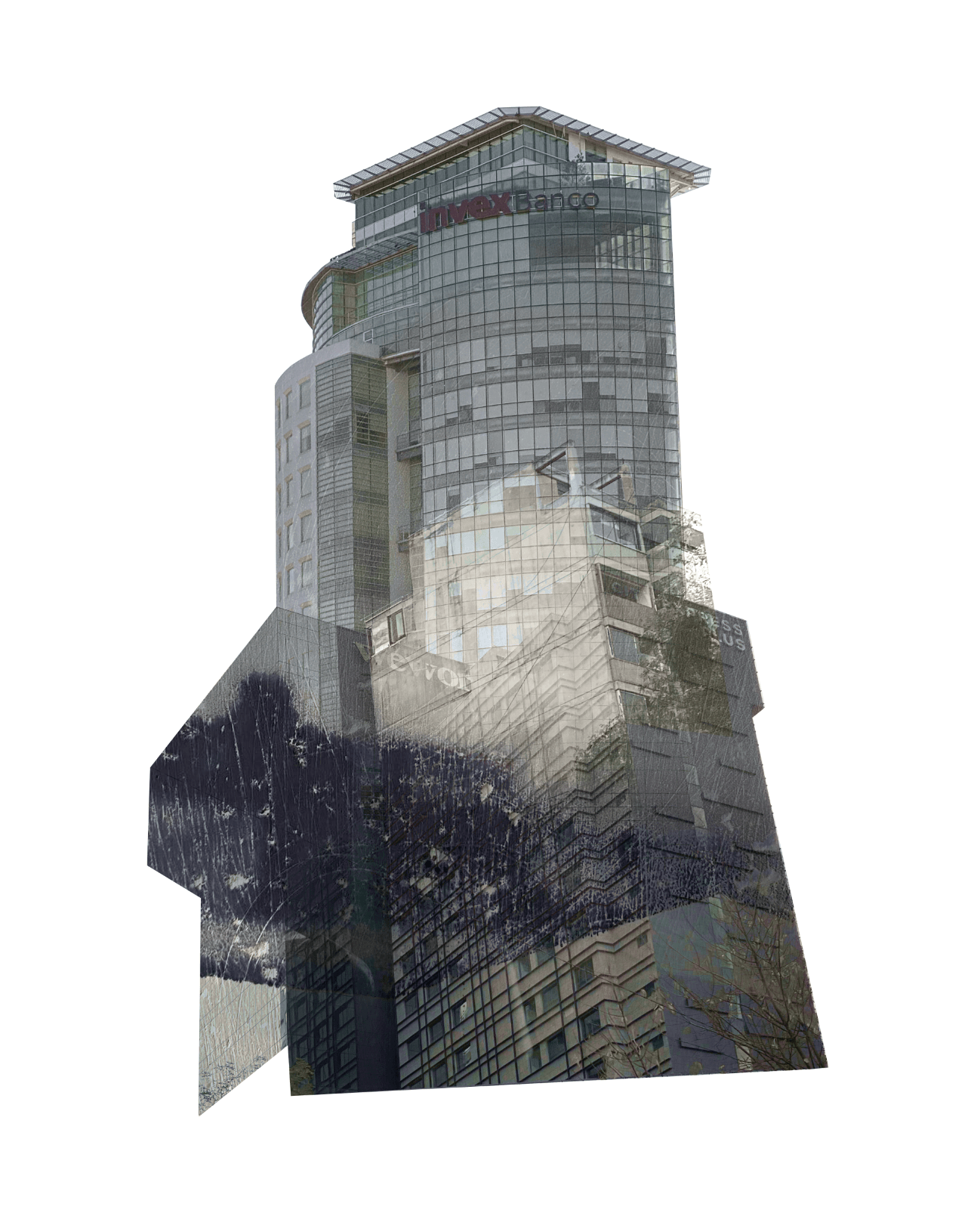
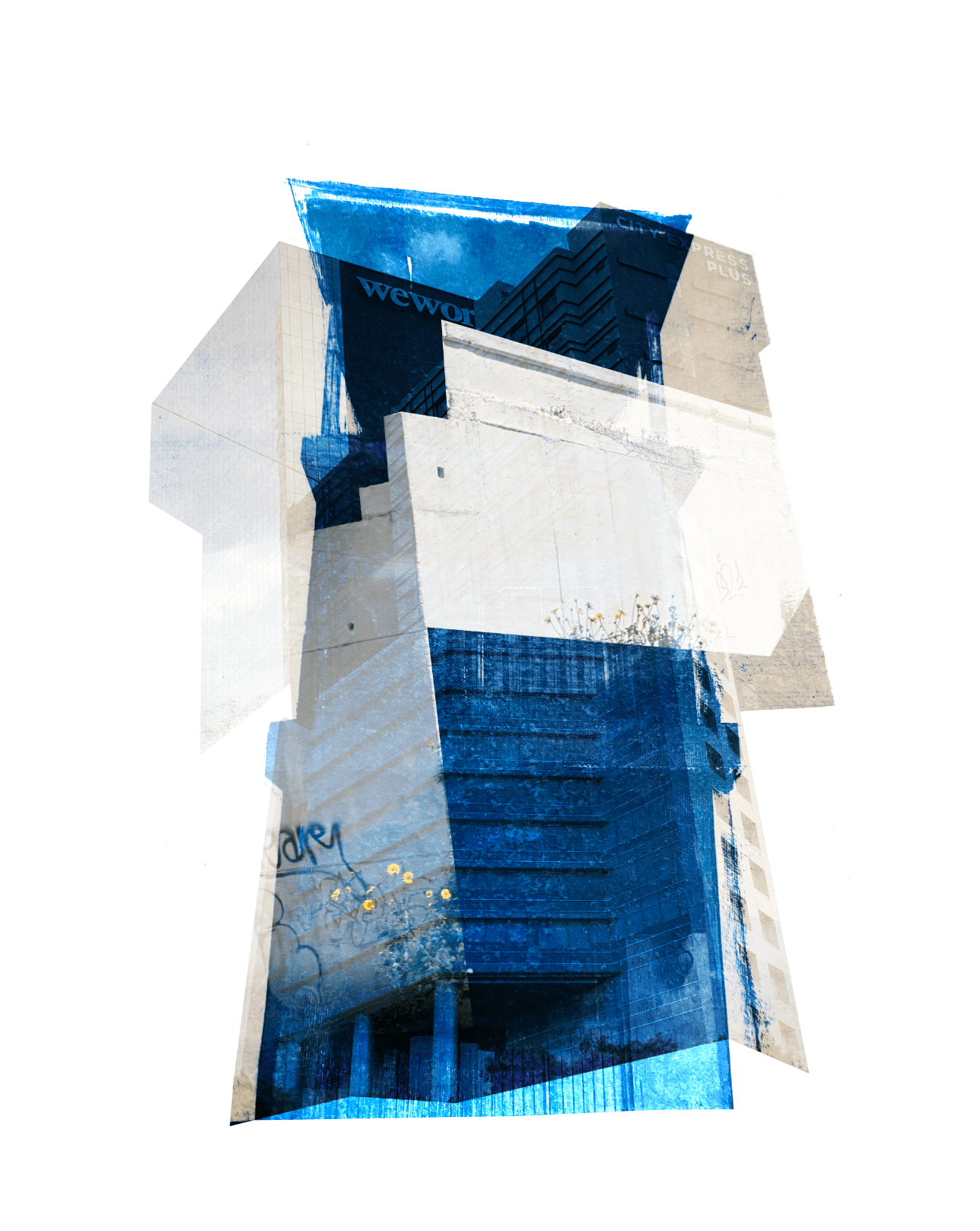
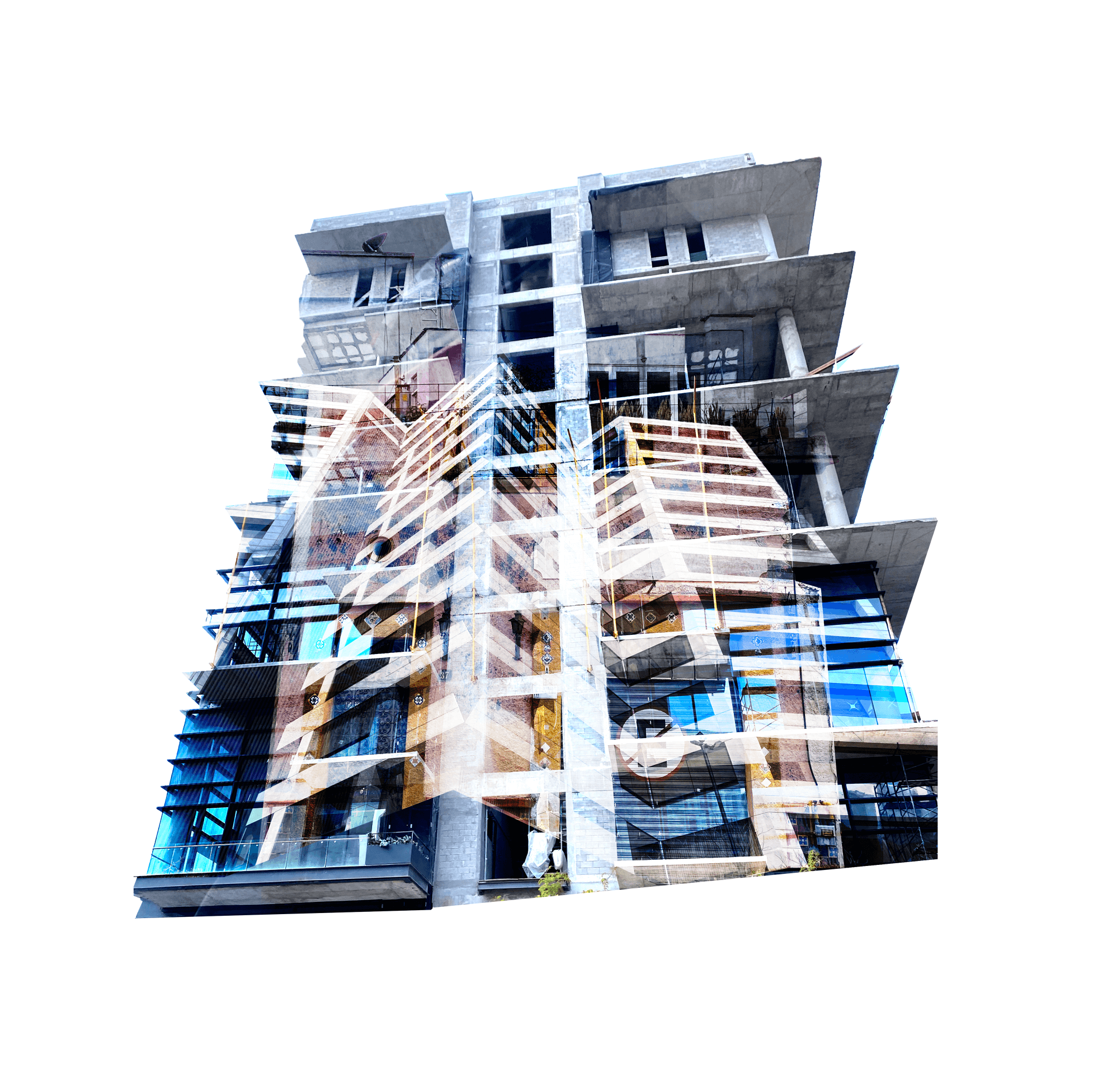
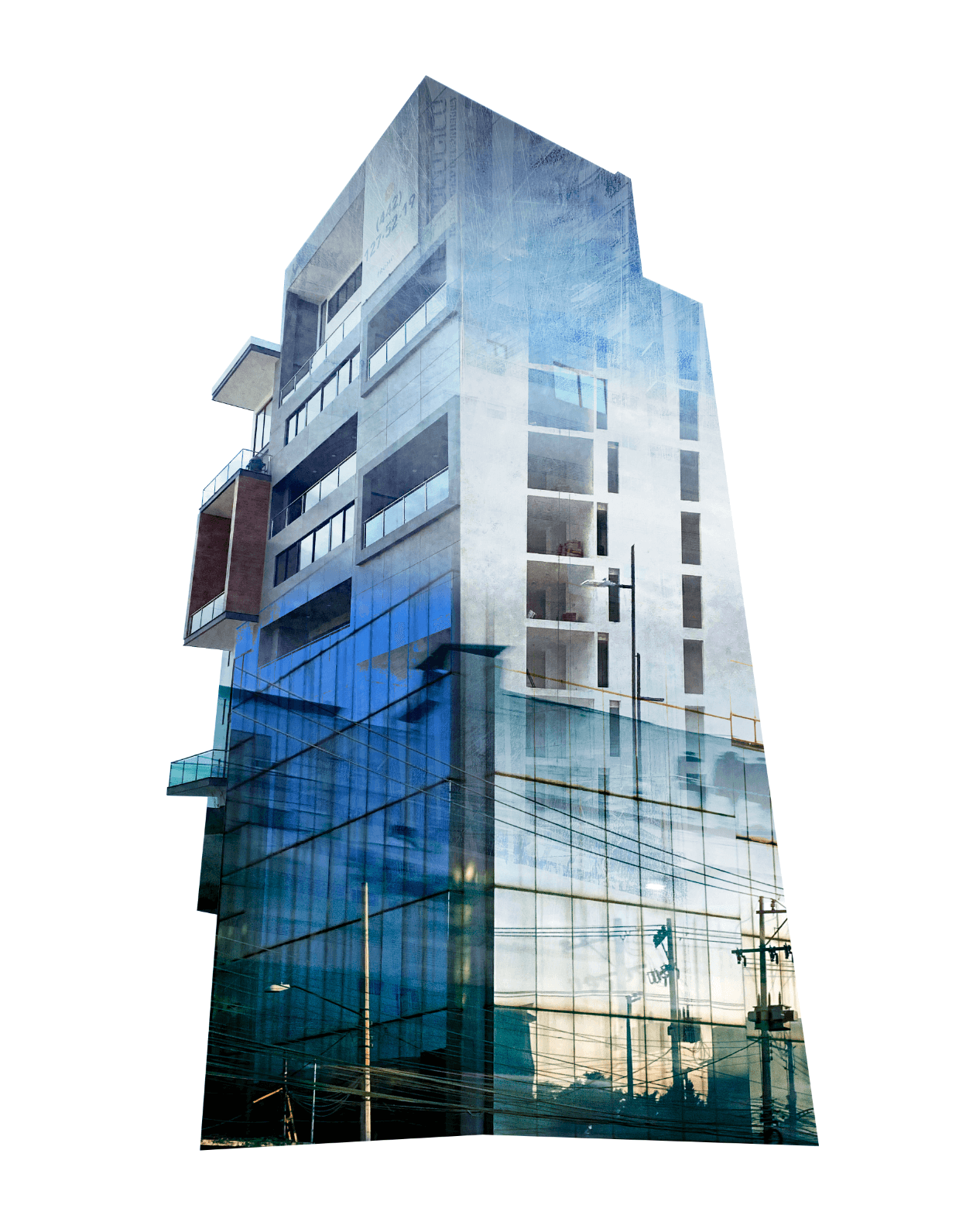
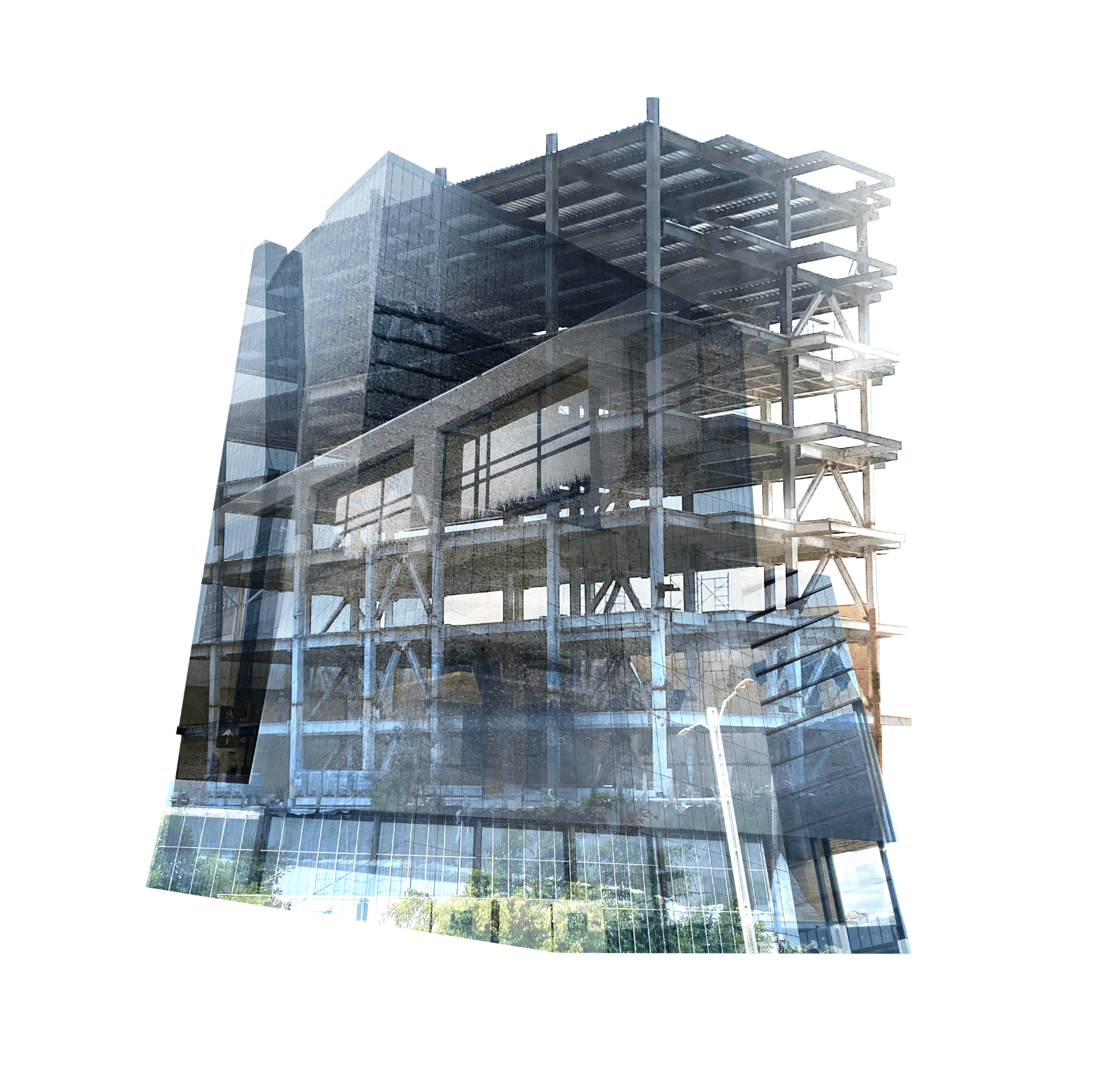
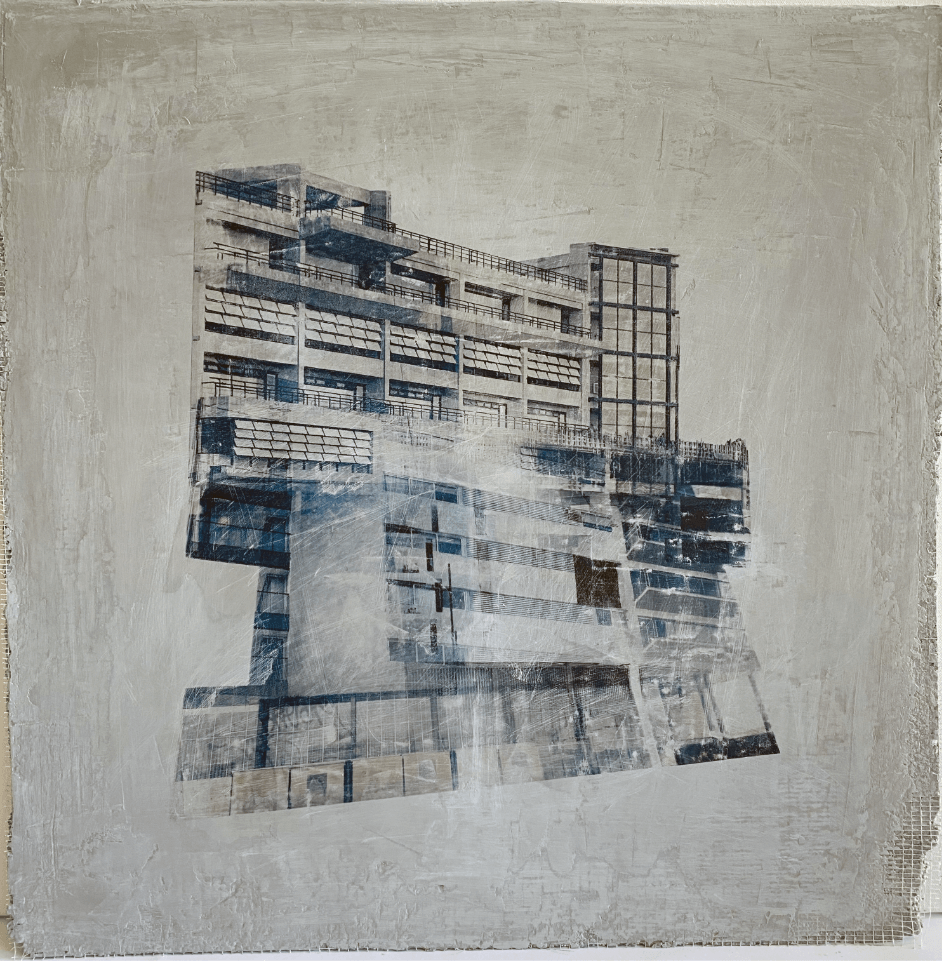
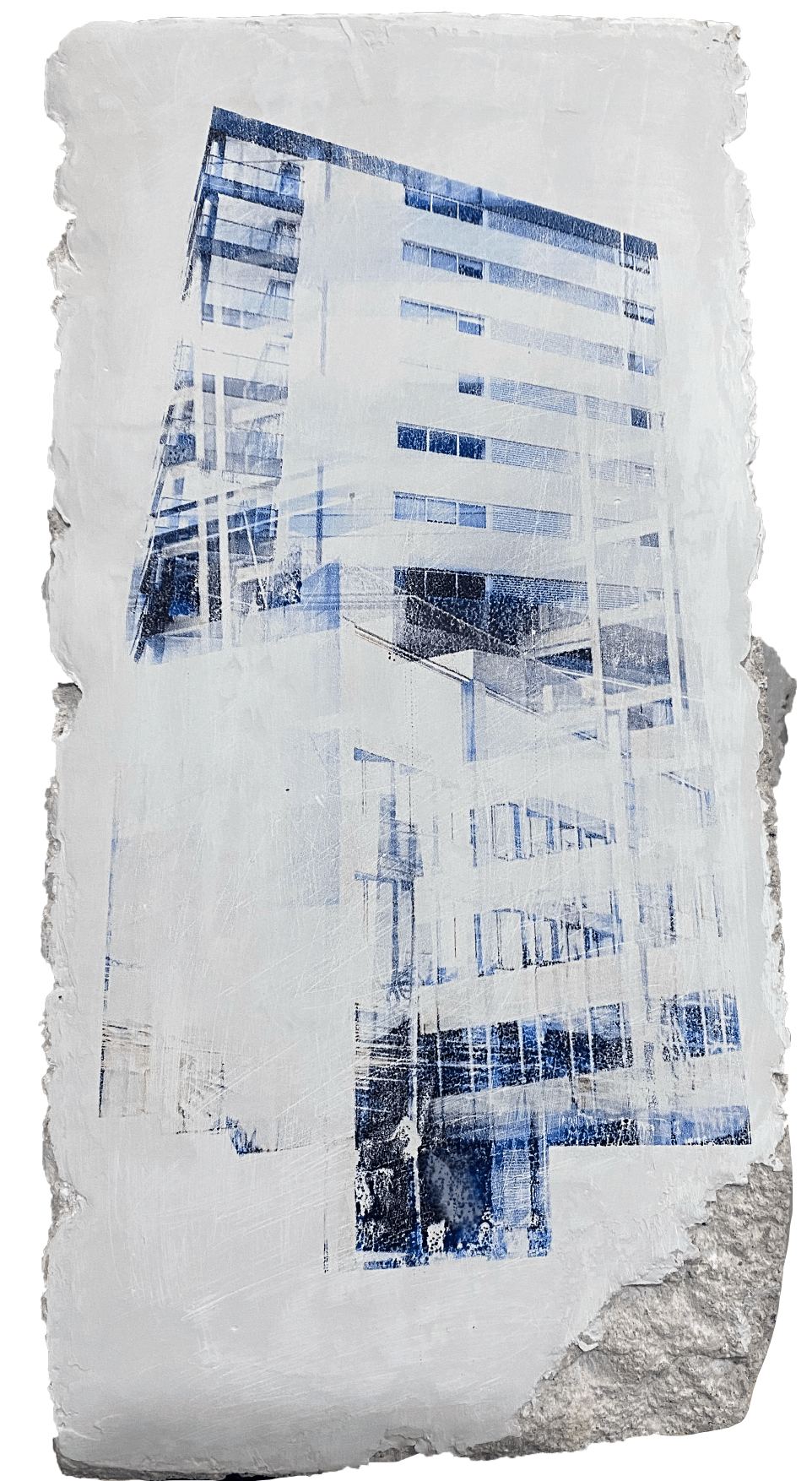
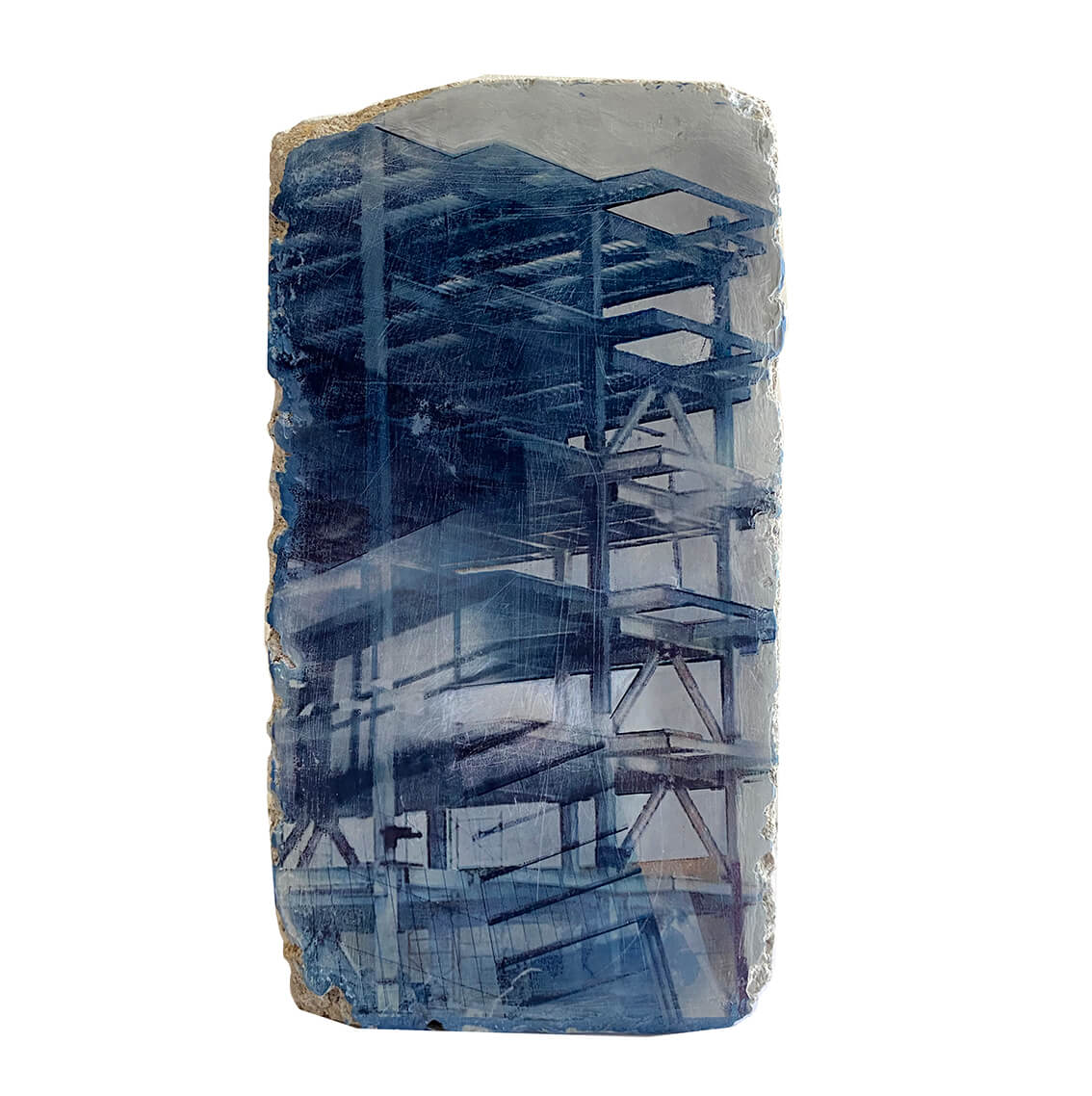
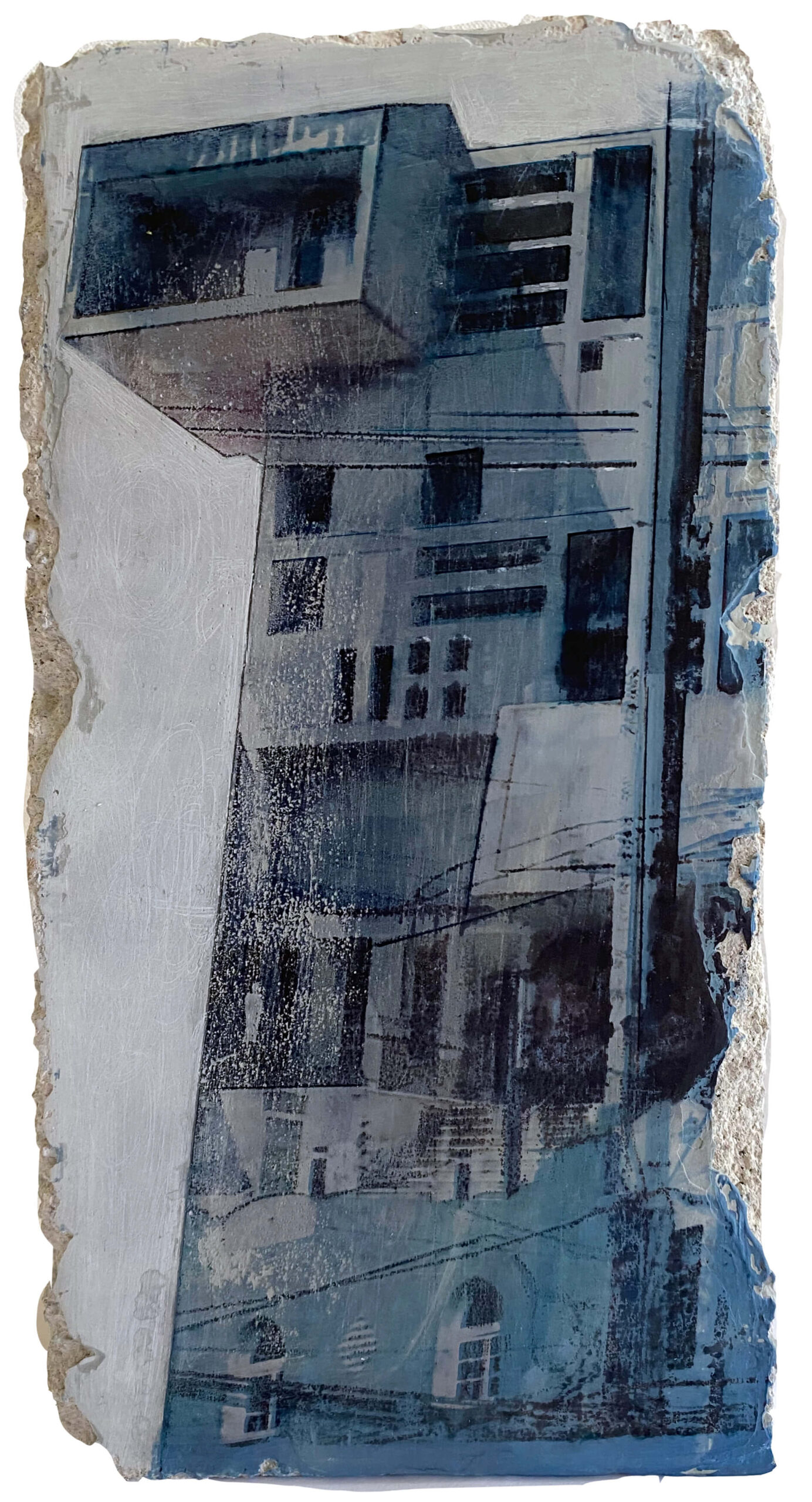
La luz y la materia en proceso de transmutación bajo la mirada inquisitiva de Laura, yuxtapone fragmentos que cruzan el umbral entre lo que que aparece y la narrativa interior que quisiese tejer un relato, el testimonio de un viaje; el estar entre lugares. La exposición que se hace de memoria quisiese abrigarse de ciclo, reflexión. El proceso continuo de hacer del acontecer, una experiencia. Al pasear, registrar y transformar la materia en un collage de tiempos , pareciera que la artista evoca aquella función que Perec asignaba a la escritura: tratar de retener algo meticulosamente, de conseguir que algo sobreviva: arrancar unas migajas precisas al vacío que se excava continuamente, dejar en alguna parte un surco, un rastro, una marca o algunos signos.
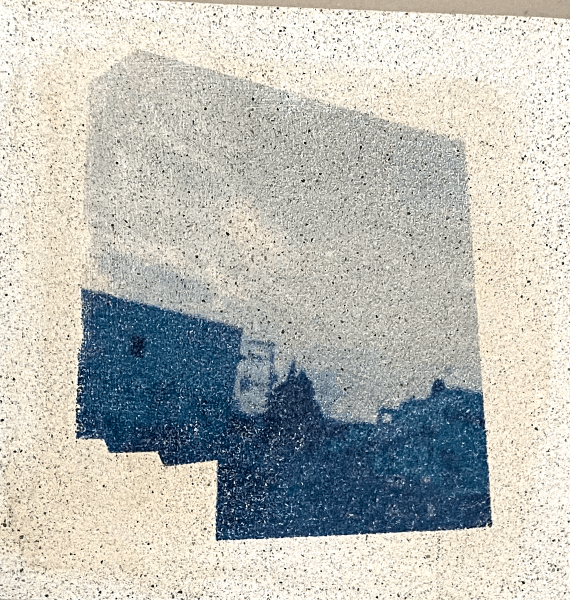
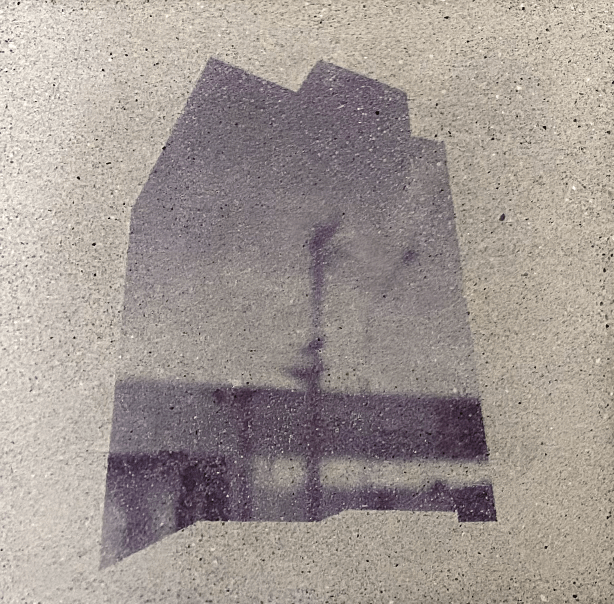
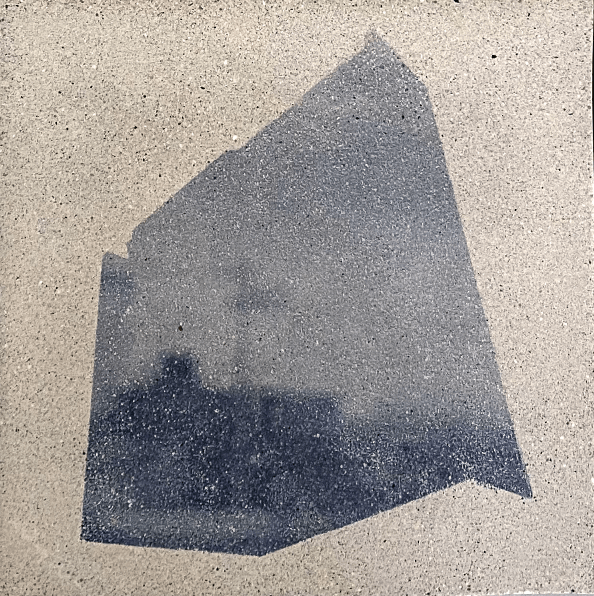
Sin embargo, en la particularidad de la mirada que se expone, en la utilización de los colores naturales con reminiscencias a la tierra oaxaqueña, en el proceso de emulsion y la concreción del material y los distintos soportes, existe no sólo el intento de trazar y retener, sino de resignificar el orden de una cartografía íntima, una huella y la impresión de lo que pareciese intangible.
Ahí la contraposición de lo que siempre es sólo ensayo y la marca de lo que yace siempre incompleto en la obra, la singularidad de una herida. Una contradicción como la perplejidad que respiran los versos de Álvaro de Campos, dividido entre la lealtad que debo/a la Tabaquería del otro lado de la calle, como cosa real por fuera,/y la sensación de que todo es sueño, como cosa real por dentro.
De la fotografía digital a lo concreto: el panel de Durock, la baldosa y los procesos fotoquímicos para hacer de la materia algo sensible a la luz y el color, pigmentos con olor a huizache que nos arrojan lo efímero de un rostro, el sesgo de un autorretrato así como el transitar que en sus pasos no hace sino resignificar el espacio buscando habitar, permanecer, así sea entre continentes, desplazado entre ciudades. Fachadas que se abandonan al sentimiento de lo inacabado, el ruinoso rumor de lo urbano y que nos recuerda esas
Ventanas de mi cuarto,
Cuarto de uno de los millones en el mundo que nadie sabe quién son
(y si lo supiesen, ¿qué sabrían?)
Ventanas que dan al misterio de una calle cruzada constantemente por la gente,
Calle inaccesible a todos los pensamientos,
real, imposiblemente real, cierta, desconocidamente cierta
con el misterio de las cosas bajo las piedras y los seres…
(Fernando Pessoa, Tabaquería)
Óscar Espinosa Mijares
Memory of a space and a time
For those who walk among the petrified undergrowth of the city, it always throws an enigma as a question. We unravel, we unravel in constant and vain attempts, exposed to what we lose in the space that opens to the passerby. Shadow that we would like to capture and elusive wanders through the light nuances of the concrete.
The light and matter in the process of transmutation under Laura's inquisitive gaze juxtaposes fragments that cross the threshold between what appears and the internal narrative that would like to weave a story, the testimony of a journey; being between places. The exposition that is made from memory would like to shelter itself as a cycle, reflection. The continuous process of making the event an experience. By walking, recording and transforming the matter into a collage of times, it seems that the artist evokes that function that Perec assigned to writing: trying to retain something meticulously, to ensure that something survives: tearing out some precise crumbs from the void that is continually excavated, leaving somewhere a groove, a trace, a mark or some signs.
However, in the particularity of the look that is exposed, in the use of natural colors reminiscent of the Oaxacan land, in the emulsion process and the concretion of the material and the different supports, there is not only the attempt to trace and retain, but to resignify the order of an intimate cartography, a trace and the impression of what seemed intangible.
There the contrast of what is always just an essay and the mark of what always lies incomplete in the work, the singularity of a wound. A contradiction like the perplexity that Álvaro de Campos' verses breathe, divided between the loyalty I owe/to the Tobacco Shop on the other side of the street, as a real thing on the outside,/and the feeling that everything is a dream, as a real thing on the inside.
From digital photography to the concrete: the Durock panel, the tile and the photochemical processes to make the matter something sensitive to light and color, pigments with the smell of huizache that give us the ephemerality of a face, the bias of a self-portrait as well as the movement that in its steps does nothing but resignify the space seeking to inhabit, to remain, even if it is between continents, displaced between cities. Facades that abandon themselves to the feeling of the unfinished, the ruinous rumor of the urban and that remind us of those
Windows of my room,
Fourth of one of the millions in the world that no one knows who they are
(and if they did, what would they know?)
Windows that open onto the mystery of a street constantly crossed by people,
Street inaccessible to all thoughts,
real, impossibly real, true, unknown true
with the mystery of things under stones and beings...
(Fernando Pessoa, Tobacco Shop)
Oscar Espinosa Mijares